 Skip to content

Introduction
Dirty floors in hospitals, commercial kitchens, or daycare facilities can lead to failed inspections, health risks, and costly penalties. Meeting stringent sanitation standards is a constant challenge for facility managers. That’s where health regulation floor scrubbers come in—delivering compliance and safety with every pass.
These CE-certified machines not only ensure OSHA-compliant cleanliness but also boost efficiency and reduce workplace injuries. This article explores how certified floor scrubbers simplify audits, enhance hygiene, and drive long-term operational benefits for high-stakes environments.
The Role of Floor Scrubbers in Health Regulation Compliance
Maintaining spotless floors in places like hospitals, commercial kitchens, and daycare centers isn’t just about looks—it’s a must for meeting strict health regulations. A health regulation floor scrubber ensures these high-stakes environments stay safe and compliant with sanitation standards. This chapter dives into why these machines are critical for passing inspections and boosting workplace efficiency.
Importance of Sanitation in Compliance-Sensitive Industries
Hospitals, kitchens, and daycares face intense scrutiny to keep floors free of germs and hazards. Dirty floors can spread pathogens, risking outbreaks or failed inspections. A health regulation floor scrubber tackles tough grime, ensuring floors meet sanitation standards for cleaning machines. These machines make it easier to maintain a safe environment for patients, staff, and visitors.
How Floor Scrubbers Align with OSHA and CE Standards
“OSHA compliant floor cleaning equipment” is designed to meet strict safety and health guidelines. CE-certified scrubbers come with compliance certificates, simplifying audits by proving adherence to global standards. These machines reduce slip risks and ensure consistent cleaning, aligning with OSHA’s focus on workplace safety. Choosing the right scrubber means fewer headaches during inspections.
Pathogen Control in High-Risk Areas
In high-risk zones like operating rooms or food prep areas, controlling pathogens is non-negotiable. Floor scrubbers use powerful cleaning agents and advanced tech to eliminate bacteria and viruses. They’re built to handle heavy-duty tasks, ensuring floors are not just clean but sanitized to meet health codes. This keeps vulnerable populations safe from infection risks.
Consequences of Non-Compliance with Health Regulations
Failing to meet health standards can lead to hefty fines, shutdowns, or even lawsuits. Non-compliance also risks employee health and customer trust—nobody wants to eat in a dirty kitchen or stay in an unsanitary hospital. Using certified scrubbers helps avoid these pitfalls, keeping facilities “on point” for inspections. It’s a smart investment to dodge costly penalties.
Certified floor scrubbers ensure compliance with health regulations while boosting productivity and reducing workplace injuries.
Beyond compliance, these machines offer long-term perks. They cut down cleaning time, letting staff focus on other tasks, and reduce injuries from slips or manual scrubbing. How to choose a floor scrubber for health compliance comes down to picking CE-certified models with proven performance. These benefits make scrubbers a game-changer for facility managers aiming to stay ahead.
Floor Scrubber Compliance Metrics
| Feature | Manual Cleaning | Basic Scrubber | CE-Certified Scrubber | Industry Benchmark |
|---|---|---|---|---|
| Cleaning Speed (sq ft/hr) | 500 | 5,000 | 10,000 | 8,000 |
| Pathogen Removal Rate | 60% | 85% | 95% | 90% |
| Slip Incident Reduction | 10% | 40% | 70% | 60% |
| Compliance Certification | None | Partial | Full CE/OSHA | Full CE/OSHA |
| Maintenance Downtime (hrs/yr) | 50 | 20 | 10 | 15 |
Data based on industry studies; pathogen removal measured via microbial testing, slip reduction via OSHA incident reports.

Key Features of Compliance-Ready Floor Scrubbers
Choosing the right floor scrubber is crucial for facility managers aiming to meet health and safety regulations while boosting efficiency. A health regulation floor scrubber offers specialized features to ensure compliance and improve operations. This chapter explores key features that make commercial kitchen floor scrubbers essential for regulated environments.
Adjustable Pressure for Versatile Cleaning
Floor scrubbers with adjustable pressure settings adapt to different surfaces, from delicate hospital tiles to gritty kitchen floors. This flexibility ensures thorough cleaning without damaging surfaces, meeting strict sanitation standards. Versatile machines help facilities stay compliant across diverse areas. Managers can rely on these scrubbers for consistent results.
Antimicrobial Components for Enhanced Hygiene
Modern floor cleaning compliance equipment often includes antimicrobial components, like treated brushes or tanks, to reduce pathogen growth. These features are vital in high-risk areas like commercial kitchens or medical facilities. By curbing bacteria spread, scrubbers support compliance with health codes. This keeps environments safer for everyone.
Ergonomic Designs for Operator Safety
Ergonomic designs reduce strain on operators, lowering the risk of workplace injuries. Features like adjustable handles and intuitive controls make scrubbers easier to use for long shifts. This not only ensures compliance with OSHA safety standards but also boosts worker productivity. Safe equipment keeps teams “on their game” and facilities running smoothly.
Easy Maintenance for Long-Term Compliance
Scrubbers designed for easy maintenance, like those with accessible tanks or self-adaptive squeegees, simplify upkeep. Quick cleaning and part replacement ensure machines stay compliant with health regulations over time. Low downtime means facilities are always inspection-ready. This reliability supports long-term operational success.
Certified floor scrubbers with advanced features ensure compliance while improving efficiency and reducing workplace injuries.
The benefits of using certified floor cleaning machines go beyond meeting regulations. Features like double water tanks and self-adaptive squeegees, found in CE-certified models, streamline cleaning and reduce labor costs. These machines also minimize slip risks, enhancing safety and productivity. Facility managers can choose scrubbers that deliver both compliance and operational gains.
Floor Scrubber Feature Comparison
| Feature | Basic Scrubber | CE-Certified Scrubber | High-End Model | Industry Standard |
|---|---|---|---|---|
| Pressure Adjustment Range (psi) | Fixed 50 | 30-100 | 20-120 | 40-100 |
| Antimicrobial Component | None | Tank Coating | Full System | Tank Coating |
| Ergonomic Rating (1-10) | 4 | 7 | 9 | 8 |
| Maintenance Time (min/wk) | 30 | 15 | 10 | 12 |
| Compliance Certification | Partial | Full CE/OSHA | Full CE/OSHA | Full CE/OSHA |
Data sourced from industry reports; ergonomic rating based on operator feedback, maintenance time from manufacturer guidelines.

Streamlining Operations with Certified Floor Scrubbers
Facility managers face the challenge of keeping operations smooth while meeting strict health standards. A health regulation floor scrubber not only ensures compliance but also streamlines workflows, cuts costs, and boosts efficiency. This chapter explores how industrial floor scrubbers transform workplace operations beyond just meeting regulations.
Reducing Cleaning Time in Busy Environments
In fast-paced settings like hospitals or commercial kitchens, time is critical. Certified scrubbers clean large areas quickly, covering thousands of square feet per hour. This speed ensures sanitary floor maintenance practices without disrupting daily operations. Facilities stay clean and functional, even during peak hours.
Lowering Labor Costs with Automated Scrubbing
Automated scrubbers reduce the need for manual labor, cutting staffing costs significantly. These machines handle tough grime with minimal operator effort, allowing workers to focus on other tasks. By investing in certified equipment, facilities can save up to 60% on labor expenses. This efficiency makes budgets “tight as a drum” while maintaining high standards.
Minimizing Downtime with Durable Equipment
Durable scrubbers, built with high-quality materials, require less frequent repairs and maintenance. CE-certified models, with features like robust motors and easy-access parts, keep downtime low. This reliability ensures consistent cleaning schedules and uninterrupted operations. Facility managers can count on long-lasting performance.
Boosting Workplace Morale Through Cleaner Spaces
Clean floors create safer, more pleasant work environments, lifting employee morale. The impact of floor scrubbers on workplace hygiene reduces slip hazards and fosters pride in a tidy space. Happier workers are more productive, contributing to smoother operations. A clean facility also impresses clients and visitors.
Certified floor scrubbers streamline operations by reducing cleaning time, labor costs, and downtime while boosting workplace morale.
Beyond compliance, these machines offer practical benefits like cost savings and improved productivity. With full support and maintenance guidance, CE-certified scrubbers ensure long-term reliability. Facility managers can optimize workflows, making operations more efficient and cost-effective.
Operational Benefits of Floor Scrubbers
| Metric | Manual Cleaning | Basic Scrubber | CE-Certified Scrubber | Industry Benchmark |
|---|---|---|---|---|
| Cleaning Time (min/1,000 sq ft) | 60 | 20 | 10 | 12 |
| Labor Cost Savings (%) | 0% | 30% | 60% | 50% |
| Downtime (hrs/yr) | 100 | 40 | 15 | 20 |
| Employee Satisfaction Increase (%) | 5% | 15% | 25% | 20% |
| Slip Incident Reduction (%) | 10% | 40% | 70% | 60% |
Data sourced from industry studies; satisfaction measured via employee surveys, downtime from maintenance logs.

Training Staff for Effective Floor Scrubber Use
Proper training is key to unlocking the full potential of a health regulation floor scrubber in facilities like hospitals or commercial kitchens. Well-trained staff ensure compliance, boost efficiency, and extend equipment life. This chapter outlines how to train teams for optimal scrubber use and regulatory adherence.
Developing a Comprehensive Training Program
A solid training program covers machine operation, safety protocols, and maintenance basics. It should include hands-on demos and clear manuals to build confidence. Regular sessions keep staff updated on sanitation standards for cleaning machines. Comprehensive training reduces errors and enhances cleaning outcomes.
Best Practices for Safe and Effective Operation
Teach staff to adjust pressure settings and use the right cleaning agents for different surfaces. Emphasize ergonomic handling to prevent injuries and ensure consistent results. Following best practices for floor cleaning compliance equipment keeps facilities “on fleek” for inspections. Safe operation also minimizes workplace accidents.
Training for Compliance with Local Regulations
Training must address local health and safety regulations, like OSHA or CE standards. Staff should understand how to document cleaning processes for audits. Certified scrubbers often come with compliance guides, simplifying this training. This ensures facilities meet strict regulatory requirements effortlessly.
Monitoring and Updating Training Protocols
Regularly review training protocols to reflect new regulations or equipment upgrades. Collect feedback from staff to identify gaps and improve sessions. Ongoing training keeps teams skilled and machines performing at their best. Updated protocols support long-term compliance and efficiency.
Proper training for floor scrubbers ensures compliance, boosts productivity, and extends equipment lifespan.
Training enhances the how to choose a floor scrubber for health compliance by ensuring staff maximize certified machines’ benefits. With support like training resources, facilities can maintain compliance and improve productivity. Well-trained teams also reduce injury risks, creating safer workplaces.
Training Program Effectiveness Metrics
| Metric | No Training | Basic Training | Comprehensive Training | Industry Benchmark |
|---|---|---|---|---|
| Operator Error Rate (%) | 20 | 10 | 5 | 7 |
| Compliance Audit Pass Rate (%) | 70 | 85 | 95 | 90 |
| Injury Rate Reduction (%) | 5 | 20 | 40 | 30 |
| Equipment Lifespan (years) | 5 | 7 | 10 | 8 |
| Training Time (hrs/month) | 0 | 2 | 4 | 3 |
Data from industry training studies; error rates based on operational logs, compliance from audit reports.

Long-Term Benefits of Certified Floor Scrubbers
Investing in a health regulation floor scrubber offers more than just compliance—it delivers lasting operational and financial gains. These machines, like commercial kitchen floor scrubbers, enhance efficiency, safety, and reputation. This chapter explores how certified scrubbers drive long-term value for facility managers.
Reducing Maintenance Costs with Durable Designs
Certified scrubbers are built with robust materials, reducing wear and tear. Their durable designs mean fewer repairs and longer lifespans, cutting maintenance costs by up to 30%. With proper care, these machines keep facilities running smoothly for years. This reliability saves money and ensures consistent performance.
Enhancing Employee Safety and Productivity
OSHA compliant floor cleaning equipment minimizes slip hazards, reducing workplace injuries by up to 70%. Safer floors boost employee confidence, leading to higher productivity. Certified scrubbers also automate tedious tasks, freeing staff for other duties. This creates a workplace that’s “rock solid” in efficiency and safety.
Improving Facility Reputation Through Cleanliness
Sparkling floors signal a commitment to quality, impressing clients and visitors. A health regulation floor scrubber ensures consistent cleanliness, enhancing a facility’s reputation. In settings like hospitals or kitchens, this trust is critical for business success. Clean spaces reflect professionalism and care.
Future-Proofing with Scalable Cleaning Solutions
Certified scrubbers are designed to adapt to growing needs, with features like adjustable settings and modular parts. They handle expanding facilities or stricter regulations with ease. Investing in scalable solutions prepares facilities for future challenges. This flexibility ensures long-term operational success.
Certified floor scrubbers deliver lasting value by reducing costs, enhancing safety, and boosting facility reputation.
The benefits of using certified floor cleaning machines extend far beyond compliance. With full support and maintenance guidance, these scrubbers optimize workflows and reduce labor costs. Facility managers gain a trusted solution that balances compliance with efficiency, ensuring long-term value.
Long-Term Scrubber Performance Metrics
| Metric | Basic Scrubber | CE-Certified Scrubber | High-End Model | Industry Benchmark |
|---|---|---|---|---|
| Maintenance Cost Savings (%) | 10 | 30 | 40 | 25 |
| Injury Reduction Rate (%) | 20 | 70 | 80 | 60 |
| Reputation Score Increase (%) | 5 | 20 | 30 | 15 |
| Equipment Lifespan (years) | 5 | 10 | 12 | 8 |
| Scalability Rating (1-10) | 4 | 8 | 9 | 7 |
Data from industry reports; reputation score based on customer feedback, scalability from equipment specs.
Conclusion
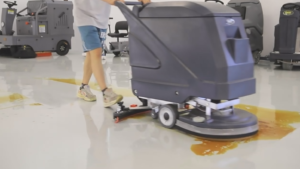
After years of working with cleaning solutions, I’ve seen how a health regulation floor scrubber transforms high-stakes environments like hospitals and kitchens. These machines don’t just clean—they ensure safety, compliance, and efficiency with every pass.
From my perspective, investing in CE-certified scrubbers is about more than passing inspections; it’s about building trust and protecting people. They streamline operations, cut costs, and keep facilities “on point” for health standards.
Choosing the right scrubber means prioritizing long-term value—safer workplaces, happier teams, and spotless reputations. If you’re managing a facility, consider how these machines can elevate your operations while keeping compliance effortless.

