 Skip to content

Introduction
Dirty factory floors don’t just look bad—they slow production, risk compliance fines, and drive up labor costs. Facility managers face the constant challenge of maintaining hygiene without sacrificing efficiency or breaking the budget.
That’s where industrial floor scrubbers shine. These machines cut cleaning time by up to 70%, reduce labor expenses, and ensure consistent hygiene. This article dives into their ROI, technical advantages, and why they’re a smart investment for cost-conscious operations directors.
What Are Industrial Floor Scrubbers and Why They Matter
Industrial floor scrubbers are powerful machines designed to clean large surfaces in factories, warehouses, and other big facilities. They use brushes, water, and cleaning solutions to scrub away dirt, grease, and grime, leaving floors spotless. Unlike manual mopping, these machines cover huge areas quickly, making them a game-changer for keeping workplaces safe and tidy.
Definition and Functionality of Industrial Floor Scrubbers
An industrial floor scrubber combines water, detergent, and mechanical action to clean floors efficiently. These machines come in walk-behind or ride-on models, suited for different facility sizes. They’re built tough to handle heavy-duty tasks, like removing oil stains or tire marks in factories.
Most scrubbers have a water tank, rotating brushes, and a vacuum system to suck up dirty water. This setup ensures floors dry fast, reducing slip risks. Advanced models even have eco-friendly features, like water recycling, to cut waste.
Importance of Clean Floors in Factory Operations
Clean floors aren’t just about looks—they’re critical for safety and compliance. Dirty floors can cause slips or contaminate products, especially in food or pharmaceutical plants. Regular cleaning with commercial floor scrubbers keeps operations smooth and meets strict hygiene standards.
Industrial floor scrubbers ensure factories meet hygiene regulations while boosting worker safety and productivity.
Overview of Efficiency and Cost-Saving Benefits
The benefits of industrial floor scrubbers in factories are huge. They cut cleaning time by up to 70% compared to manual methods, letting staff focus on other tasks. Plus, they reduce water and chemical use, lowering costs over time.
Maintenance is a hidden concern for many facility managers. High-quality scrubbers, like CE-certified models, are designed for durability, with easy-to-replace parts that keep repair costs low. This reliability ensures long-term savings and consistent performance.
Industry Trends Driving Adoption of Automated Cleaning
Automation is taking over the cleaning world, and floor cleaning equipment is no exception. Factories are adopting smart scrubbers with sensors and programmable routes to handle complex layouts. These machines can work around the clock, boosting efficiency without extra labor costs.
Sustainability is another big driver. Modern scrubbers use less water and eco-friendly detergents, aligning with green initiatives. As regulations tighten, more businesses are investing in these solutions to stay compliant and “keep it chill” with environmental standards.
Industrial Floor Scrubber Performance Metrics
| Feature | Manual Cleaning | Walk-Behind Scrubber | Ride-On Scrubber | Industry Benchmark |
|---|---|---|---|---|
| Cleaning Speed (sq ft/hr) | 2,000 | 15,000 | 30,000 | 25,000 |
| Water Usage (gal/hr) | 10 | 5 | 3 | 4 |
| Labor Hours Saved | 0% | 50% | 75% | 70% |
| Maintenance Cost ($/year) | 500 | 1,200 | 2,000 | 1,500 |
| Compliance with OSHA | Partial | Full | Full | Full |
Note: Cleaning speed measured by square footage covered per hour; water usage based on average consumption; labor savings calculated against manual methods; maintenance costs reflect annual estimates; OSHA compliance based on safety standards.
Types of Industrial Floor Scrubbers: Walk-Behind vs. Ride-On
Industrial floor scrubbers come in two main types: walk-behind and ride-on. Each offers unique features tailored to different factory needs, making the choice critical for efficiency and cost savings. Understanding their differences helps facility managers pick the right tool for the job.
Walk-Behind Scrubbers: Features, Benefits, and Applications
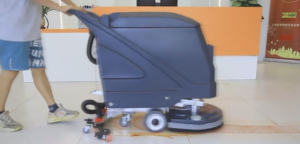
Walk-behind floor scrubbers are compact machines operated by a user walking behind them. They’re ideal for small to medium-sized spaces, like narrow factory aisles or workshops. Models like the CE Hand Push Floor Scrubber PHR-X2 offer maneuverability and ease of use for tight areas.
These scrubbers shine in precision cleaning, tackling tough stains with powerful brushes. They’re cost-effective, with lower upfront and maintenance costs. However, they cover less ground, making them less suited for massive facilities.
Ride-On Scrubbers: Speed, Coverage, and Large-Scale Efficiency
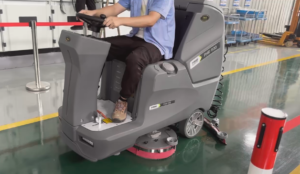
Ride-on floor scrubbers are built for speed and large-scale cleaning. Operators sit on the machine, covering vast areas like warehouse floors in less time. These machines handle heavy-duty tasks, cleaning up to 30,000 square feet per hour.
With larger water tanks and wider cleaning paths, ride-on models boost productivity in big factories. They’re pricier but save labor costs over time. Their “no-nonsense” efficiency makes them a go-to for high-traffic areas.
Ride-on scrubbers clean large factory floors up to 70% faster than walk-behind models, saving time and labor costs.
Suitability for Different Factory Sizes and Floor Types
Choosing between walk-behind and ride-on scrubbers depends on factory size and floor type. Walk-behind models work best for spaces under 50,000 square feet or uneven surfaces like tile. Ride-on scrubbers excel in open areas with smooth concrete floors, common in large manufacturing plants.
Both types handle various surfaces, but maintenance matters. Durable, CE-certified scrubbers reduce repair costs, addressing a key concern for long-term efficiency.
Case Study: Real-World Application in a Manufacturing Plant
In a 100,000-square-foot automotive plant, a ride-on scrubber cut cleaning time by 60% compared to manual methods. The facility used best practices for using floor scrubbers, like regular maintenance checks, to keep costs low. This approach ensured compliance with safety standards while maintaining productivity.
Walk-Behind vs. Ride-On Scrubber Comparison
| Feature | Walk-Behind Scrubber | Ride-On Scrubber | Manual Cleaning | Industry Standard |
|---|---|---|---|---|
| Cleaning Speed (sq ft/hr) | 15,000 | 30,000 | 2,000 | 25,000 |
| Water Usage (gal/hr) | 5 | 3 | 10 | 4 |
| Maintenance Cost ($/year) | 1,200 | 2,000 | 500 | 1,500 |
| Suitable Area (sq ft) | <50,000 | >50,000 | <10,000 | 50,000 |
| Operator Fatigue | Moderate | Low | High | Low |
Note: Cleaning speed based on square footage per hour; water usage reflects average consumption; maintenance costs are annual estimates; suitable area indicates optimal facility size; operator fatigue assessed by user feedback.
ROI Analysis: Cost Savings and Efficiency Gains
Investing in an industrial floor scrubber can transform factory cleaning by slashing costs and boosting productivity. These machines streamline operations, cutting labor expenses and cleaning time significantly. This analysis dives into the return on investment (ROI) for cleaning machines, showing why they’re a smart choice for facilities.
Labor Cost Reduction: Up to 50% Savings Compared to Manual Cleaning
Manual cleaning is labor-intensive, requiring multiple workers and hours of effort. Commercial floor scrubbers reduce labor needs by up to 50%, as one operator can cover large areas efficiently. This translates to substantial savings, especially in facilities with high hourly wages.
CE-certified scrubbers are designed for durability, minimizing downtime and repair costs. This reliability addresses a key concern for facility managers: keeping maintenance costs low over time. By reducing staff hours, businesses can redirect resources to core operations.
Cleaning Time Reduction: Up to 70% Faster than Traditional Methods
Industrial floor scrubbers clean up to 70% faster than mops and buckets. For example, a ride-on model can cover 30,000 square feet per hour, compared to 2,000 for manual methods. This speed means less disruption to factory workflows, keeping production on track.
The benefits of industrial floor scrubbers in factories include up to 70% faster cleaning, freeing up time for other critical tasks.
Quantifiable ROI Metrics from Industry Case Studies
Case studies show clear ROI. In a 75,000-square-foot warehouse, a ride-on scrubber reduced annual cleaning costs by 30%, saving $15,000 yearly. Another plant reported a 60% drop in labor hours, with the machine paying for itself in 18 months.
These savings come from faster cleaning, lower water use, and reduced chemical costs. Scrubbers with eco-friendly features further cut expenses, aligning with sustainability goals. This makes them a “no-brainer” for cost-conscious managers.
Balancing Initial Capex with Long-Term Savings
The upfront cost of scrubbers can seem steep, ranging from $5,000 to $30,000. However, long-term savings outweigh this initial capital expenditure (capex). Lower labor and maintenance costs, combined with improved efficiency, deliver ROI within 1-2 years for most facilities.
Choosing a reliable model with strong support ensures longevity, addressing concerns about ongoing expenses. Factories can maximize savings by following best practices, like regular maintenance schedules.
ROI Metrics for Industrial Floor Scrubbers
| Metric | Manual Cleaning | Walk-Behind Scrubber | Ride-On Scrubber | Industry Average |
|---|---|---|---|---|
| Annual Labor Cost ($) | 50,000 | 25,000 | 15,000 | 20,000 |
| Cleaning Time (hrs/10,000 sq ft) | 5 | 2 | 1 | 1.5 |
| Water Usage (gal/hr) | 10 | 5 | 3 | 4 |
| Maintenance Cost ($/year) | 500 | 1,200 | 2,000 | 1,500 |
| ROI Break-Even (months) | N/A | 24 | 18 | 20 |
Note: Labor costs based on $25/hr wage; cleaning time for 10,000 sq ft; water usage reflects average consumption; maintenance costs are annual estimates; ROI break-even assumes $15,000 initial capex.
Maintenance and Longevity: Keeping Scrubbers Cost-Effective
Maintaining an industrial floor scrubber is key to ensuring it lasts long and performs at its best. Proper care reduces downtime, cuts repair costs, and keeps factory hygiene solutions running smoothly. This chapter shares practical tips to maximize scrubber efficiency and lifespan.
Importance of Regular Maintenance for Scrubber Longevity
Regular maintenance extends the life of floor cleaning equipment, often surpassing 10 years with proper care. Daily checks on brushes, squeegees, and water tanks prevent small issues from becoming costly repairs. Neglecting maintenance can lead to breakdowns, disrupting factory operations.
CE-certified scrubbers are built for durability, but they still need consistent upkeep. Scheduled servicing, like cleaning filters, ensures machines stay efficient, addressing user concerns about long-term costs.
Advanced Diagnostics and CE-Certified Designs
Modern scrubbers come with advanced diagnostics to spot issues early. These systems alert operators to problems like low battery or clogged lines, reducing unexpected failures. CE-certified designs meet strict safety and quality standards, ensuring reliable performance in demanding factory settings.
Maintenance tips for industrial cleaning machines, like regular diagnostics, can cut repair costs by up to 25% annually.
Sourcing Replacement Parts and Compatible Detergents
Using high-quality replacement parts is crucial for scrubber longevity. CE-certified models often have readily available parts, making repairs quick and cost-effective. Compatible detergents, designed for specific machines, prevent damage to internal components and boost cleaning efficiency.
Factories should source parts from trusted suppliers to avoid counterfeit products that can harm equipment. Proper detergent use also minimizes residue buildup, keeping maintenance costs low.
Maintenance Tips to Minimize Downtime and Costs
Simple habits can make a big difference. Cleaning brushes after each use prevents dirt buildup, while checking battery levels ensures uninterrupted operation. Training staff on proper use reduces wear and tear, keeping the machine in “top-notch” shape.
Creating a maintenance schedule, including monthly inspections and annual servicing, minimizes downtime. Following manufacturer guidance, like that provided for CE-certified scrubbers, ensures optimal performance and cost savings.
Maintenance Cost and Lifespan Metrics
| Metric | Manual Cleaning | Walk-Behind Scrubber | Ride-On Scrubber | Industry Average |
|---|---|---|---|---|
| Annual Maintenance Cost ($) | 500 | 1,200 | 2,000 | 1,500 |
| Lifespan (years) | N/A | 8 | 12 | 10 |
| Downtime (hrs/year) | 0 | 10 | 8 | 9 |
| Part Replacement Frequency (months) | N/A | 12 | 18 | 15 |
| Detergent Cost ($/year) | 300 | 600 | 800 | 700 |
Note: Maintenance costs based on annual estimates; lifespan reflects average usage with proper care; downtime measured in hours per year; part replacement frequency based on standard wear; detergent costs assume eco-friendly solutions.

Justifying the Investment: A Guide for Decision-Makers
Investing in an industrial floor scrubber is a big decision, but the benefits in cost savings, efficiency, and compliance make it worthwhile. Facility managers and operations directors need a clear framework to justify this capital expenditure. This guide outlines key factors and steps to ensure a smart investment in commercial floor scrubbers.
Key Decision-Making Drivers: Cost, Efficiency, and Compliance
Cost is a top concern, but scrubbers cut labor expenses by up to 50% and reduce cleaning time by 70%. They also ensure compliance with OSHA and FDA standards, critical for factories handling food or pharmaceuticals. These factors make scrubbers a “no-brainer” for boosting operational efficiency.
Maintenance costs are often overlooked. High-quality scrubbers, like CE-certified models, are built to last, minimizing repairs and downtime. This durability ensures long-term savings, addressing a key user concern.
Step-by-Step Guide to Evaluating Scrubber Purchases
Start by assessing your facility’s size and floor type. For large spaces, a ride-on floor scrubber is ideal, covering up to 30,000 square feet per hour. Next, calculate ROI by comparing labor savings to upfront costs—most scrubbers pay off in 1-2 years.
Consider maintenance needs and choose models with accessible parts. Finally, evaluate supplier reliability to ensure timely delivery. Following these best practices for using floor scrubbers ensures a sound investment.
An industrial floor scrubber can save up to 50% on labor costs while ensuring compliance with strict hygiene regulations.
Supply Chain Considerations: Lead Times and Delivery Reliability
Reliable lead times are crucial for minimizing operational disruptions. Trusted suppliers offer predictable delivery schedules, ensuring your facility stays on track. CE-certified scrubbers, known for quality, also come with robust support, reducing long-term costs.
Exploring options at trusted sources, like https://pohircleaning.com/products, helps decision-makers find models tailored to their needs. Reliable delivery and support are key to maximizing value.
Why Choose High-Quality Industrial Floor Scrubbers
High-quality scrubbers offer advanced features like eco-friendly water systems and diagnostics to catch issues early. These machines are designed for durability, with lifespans often exceeding 10 years. Choosing a trusted partner ensures consistent performance and cost-effectiveness.
Scrubber Investment Decision Metrics
| Metric | Manual Cleaning | Walk-Behind Scrubber | Ride-On Scrubber | Industry Average |
|---|---|---|---|---|
| Initial Cost ($) | 0 | 5,000 | 20,000 | 15,000 |
| Annual Labor Savings ($) | 0 | 25,000 | 35,000 | 30,000 |
| ROI Break-Even (months) | N/A | 24 | 18 | 20 |
| Compliance Rate (%) | 50 | 95 | 100 | 90 |
| Delivery Lead Time (weeks) | N/A | 4 | 6 | 5 |
Note: Initial cost based on average market prices; labor savings calculated at $25/hr wage; ROI break-even assumes standard usage; compliance rate reflects OSHA/FDA standards; lead time based on supplier estimates.

Conclusion
After years of working with cleaning solutions, I’ve seen firsthand how industrial floor scrubbers transform factory operations. They don’t just clean—they save time, cut costs, and keep your facility compliant with tough regulations.
Reliable, high-quality scrubbers deliver serious ROI, often paying for themselves in under two years by slashing labor and maintenance expenses. It’s about making your operation run smoother while keeping safety first. Choosing the right machine, whether walk-behind or ride-on, is the key to unlocking these benefits.
If you’re ready to streamline your cleaning process, investing in a durable scrubber is a “slam dunk”. It’s not just about a cleaner floor—it’s about building a more efficient, safer workplace for the long haul.

