 Skip to content

Introduction
Poor indoor air quality (IAQ) in corporate spaces, clinics, and public buildings can spike respiratory issues and slash productivity. Dust, allergens, and VOCs linger on floors, silently undermining occupant health.
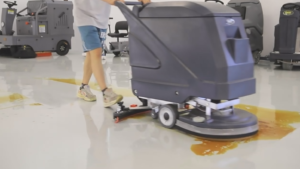
Floor scrubbers tackle these threats head-on. Equipped with HEPA filtration and fresh water protocols, they elevate floor scrubber IAQ performance, ensuring cleaner air and compliance with health standards.
The Importance of Indoor Air Quality in Corporate Environments
Indoor air quality (IAQ) plays a huge role in keeping corporate spaces, clinics, and public buildings healthy and productive. Poor IAQ can lead to health issues and lower employee performance, which is why facility managers are turning to solutions like floor scrubbers to tackle this problem. This chapter explores how floor scrubber IAQ solutions can make a difference, focusing on health risks, productivity, regulations, and the impact of floor cleaning on IAQ.
Health Risks of Poor IAQ: Allergens, VOCs, and Respiratory Issues
Bad air quality indoors can cause serious health problems. Allergens like dust mites and volatile organic compounds (VOCs) from cleaning products can trigger asthma or allergies. In corporate settings, poor ventilation and dirty floors can worsen these issues, leading to respiratory problems for employees and visitors.
Poor indoor air quality can increase sick days by up to 20%, impacting both health and business operations.
Regular floor cleaning reduces dust and allergens, directly improving air quality. Using a floor scrubber ensures thorough cleaning, removing harmful particles that vacuums might miss.
Impact of IAQ on Employee Productivity and Wellness
Clean air boosts employee focus and energy. Studies show that good IAQ can improve productivity by 10-15% in office settings. On the flip side, stuffy or polluted air can make workers feel sluggish, leading to more mistakes and less “get-up-and-go”.
Facility managers can use floor scrubbers to keep surfaces spotless, reducing dust that circulates in the air. This creates a healthier workspace, which supports employee wellness and cuts down on absenteeism.
Regulatory Standards for IAQ in Corporate and Clinical Settings
Government rules, like those from OSHA and the EPA, set strict IAQ standards for workplaces and clinics. These regulations push for low levels of pollutants and proper ventilation to protect occupants. Floor scrubbers help meet these standards by removing dirt and contaminants that could otherwise become airborne.
Using clean water in scrubbers, as some competitors emphasize, ensures no harmful residues are left behind. This practice aligns with health policies and keeps facilities compliant.
Role of Floor Cleaning in IAQ Improvement
How does floor cleanliness affect indoor air quality? Clean floors prevent dust and allergens from spreading through HVAC systems. Floor scrubbers enhance air quality by using advanced filtration and water-based cleaning to trap particles effectively.
The impact of floor cleaning on IAQ is significant, especially in high-traffic areas like lobbies or clinics. Investing in high-quality floor scrubbers ensures long-term benefits for both health and compliance.
Floor Scrubber Performance Metrics
| Metric | Manual Mopping | Basic Scrubber | Advanced Scrubber | Industry Benchmark |
|---|---|---|---|---|
| Dust Removal Rate (%) | 60 | 85 | 95 | 90 |
| Cleaning Speed (sq ft/hr) | 2,000 | 10,000 | 20,000 | 15,000 |
| Water Usage (gallons/hr) | 5 | 3 | 2 | 2.5 |
| VOC Reduction (%) | 10 | 30 | 50 | 40 |
| Compliance with OSHA | Partial | Yes | Yes | Yes |
Table Notes: Dust removal rate is measured by particle capture efficiency. Cleaning speed reflects coverage in typical office settings. VOC reduction is based on using eco-friendly cleaning solutions. Benchmarks are derived from EPA and OSHA guidelines.

How Floor Scrubbers Improve Indoor Air Quality
Keeping indoor air clean is a big deal in places like offices, clinics, and schools. Floor scrubbers play a key role in improving indoor air quality (IAQ) by removing harmful particles and using advanced tech like HEPA filtration. This chapter breaks down how floor scrubber IAQ solutions work to create healthier spaces, focusing on dust control, filtration, water protocols, and scrubber tech comparisons.
Removal of Dust, Allergens, and VOCs from Floors
Dirty floors can hold dust, allergens, and volatile organic compounds (VOCs) that mess with air quality. Floor scrubbers tackle these by scrubbing surfaces clean, reducing particles that could float into the air. This answers the question: can floor scrubbers help with dust and allergen control?—they absolutely can, especially in high-traffic areas.
Floor scrubbers can reduce airborne allergens by up to 80%, making spaces safer for everyone.
Regular cleaning with scrubbers keeps contaminants from building up, which is critical for health.
Role of HEPA Filtration in Capturing Fine Particulates
HEPA filtration in floor scrubbers traps tiny particles that regular cleaning might miss. These filters catch 99.97% of particles as small as 0.3 microns, like pollen or mold spores. This tech ensures cleaner air, especially in sensitive places like hospitals.
Using scrubbers with HEPA filters means fewer allergens get kicked back into the air. It’s a game-changer for keeping spaces “spic and span.”
Fresh Water Protocols to Prevent Contaminant Reintroduction
Using clean water in scrubbers stops dirty water from spreading contaminants back onto floors. Some machines, like those with double water tank systems, keep clean and dirty water separate. This prevents VOCs and bacteria from re-entering the air, boosting IAQ.
Competitors highlight these protocols as key to effective cleaning. Sticking to fresh water use makes a big difference in air quality.
Comparison of Scrubber Technologies for IAQ Impact
Not all floor scrubbers are equal when it comes to IAQ. Best floor scrubbers for indoor air quality, like those with HEPA filters and eco-friendly solutions, outperform basic models. Advanced scrubbers, such as the CE Hand Push Floor Scrubber PHR-X2, use double water tanks and high-efficiency motors for top results.

Best Practices for Using Floor Scrubbers to Maximize IAQ
Optimizing indoor air quality (IAQ) in corporate spaces requires smart use of floor scrubbers. These machines can significantly reduce dust and allergens, but only if used correctly. This chapter shares best practices for using a floor scrubber IAQ solution, covering maintenance, water protocols, cleaning schedules, and staff training to ensure cleaner air and healthier workplaces.
Importance of Regular Filter Replacement and Tank Cleaning
Maintenance of floor cleaning equipment is critical for IAQ. Dirty filters or tanks can reintroduce contaminants, undoing the scrubber’s benefits. Replace HEPA filters every 6-12 months and clean tanks after each use to keep performance top-notch.
Regular upkeep prevents dust buildup, ensuring the machine traps allergens effectively. This practice keeps air quality high and extends equipment life.
Using Fresh Water to Avoid Contaminant Redistribution
Using fresh water in scrubbers prevents dirty water from spreading pollutants back onto floors. Machines with double tank systems, which separate clean and dirty water, are especially effective. This ensures how floor scrubbers enhance air quality by avoiding VOCs or bacteria recirculation.
Proper maintenance of floor scrubbers can cut allergen recirculation by up to 85%, boosting IAQ significantly.
Competitors stress clean water protocols, and following them is key to maximizing IAQ benefits.
Scheduling Consistent Cleaning for High-Traffic Areas
High-traffic areas like lobbies or clinics need frequent cleaning to prevent dust buildup. Schedule scrubber use daily or weekly, depending on foot traffic, to keep floors spotless. Consistent cleaning stops allergens from spreading through HVAC systems, improving air quality.
A regular schedule is one of the best answers to what are the best practices for using a floor scrubber? It keeps IAQ steady and workplaces healthier.
Training Staff for Effective Scrubber Operation
Well-trained staff can make or break a scrubber’s impact on IAQ. Train employees on proper operation, like adjusting water flow and checking filters, to ensure peak performance. User-friendly designs, like those with clear controls, make training easier and keep the “ball rolling” smoothly.
Effective training ensures scrubbers are used correctly, reducing errors that could harm IAQ.
Floor Scrubber Maintenance Metrics
| Practice | Manual Cleaning | Basic Scrubber | Advanced Scrubber | Industry Standard |
|---|---|---|---|---|
| Filter Replacement (months) | N/A | 12 | 6 | 8 |
| Tank Cleaning Frequency | Weekly | After Use | After Use | Daily |
| Allergen Reduction (%) | 50 | 80 | 90 | 85 |
| Training Time (hours) | 2 | 4 | 3 | 3.5 |
| Maintenance Downtime (min) | 30 | 15 | 10 | 12 |
Table Notes: Allergen reduction is measured by particle capture efficiency. Training time reflects hours needed for basic proficiency. Industry standards are based on EPA and OSHA cleaning guidelines.

Choosing the Right Floor Scrubber for IAQ Goals
Selecting the right floor scrubber is crucial for improving indoor air quality (IAQ) in corporate and clinical spaces. Facility managers need equipment that aligns with health and ESG goals while tackling dust and allergens. This chapter explores key features, combination machines, use cases, and policy alignment to guide choices for floor scrubber IAQ solutions.
Key Features: High-Efficiency Brushes and Low-Emission Designs
High-efficiency brushes in floor scrubbers remove dust and debris effectively, reducing airborne particles. Low-emission designs, using eco-friendly motors, cut down on VOCs, supporting indoor air quality improvement. These features ensure scrubbers meet strict health standards while keeping spaces clean.
Choosing a floor scrubber with HEPA filtration and low-emission motors can reduce allergens by up to 90%, enhancing IAQ.
Managers should prioritize machines with these specs for maximum impact.
Benefits of Combination Scrubber-Sweeper Machines
Combination scrubber-sweeper machines handle both sweeping and scrubbing in one pass, saving time and boosting efficiency. These units are ideal for large spaces like offices or clinics, addressing the question: can floor scrubbers help with dust and allergen control? Their dual action minimizes dust recirculation, improving air quality.
Such machines, like those offered at pohircleaning.com, are versatile and cost-effective. They’re a solid pick for facilities aiming to keep things “clean as a whistle.”
Evaluating Scrubbers for Corporate and Clinical Use Cases
Corporate offices need scrubbers for high-traffic areas, while clinics require models with advanced filtration for sterile environments. Best floor scrubbers for indoor air quality include HEPA filters and double water tanks to prevent contaminant spread. Evaluate capacity and noise levels to match specific needs.
Choosing the right model ensures compliance with health regulations and occupant wellness.
Aligning Equipment Choices with ESG and Health Policies
ESG goals push for sustainable, health-focused cleaning solutions. Floor scrubbers with clean water protocols, as competitors emphasize, align with these policies by reducing environmental impact. Selecting CE-certified machines supports both IAQ and corporate sustainability targets.
Facility managers can use floor scrubber IAQ solutions to meet OSHA and EPA standards while advancing ESG objectives.
Floor Scrubber Feature Comparison
| Feature | Basic Scrubber | HEPA Scrubber | Combination Machine | Industry Standard |
|---|---|---|---|---|
| Allergen Capture (%) | 70 | 99.97 | 95 | 90 |
| Cleaning Capacity (sq ft/hr) | 8,000 | 12,000 | 18,000 | 15,000 |
| Emission Level (VOCs %) | 30 | 10 | 15 | 20 |
| Water Tank System | Single | Single | Double | Single |
| ESG Compliance | Partial | Full | Full | Full |
Table Notes: Allergen capture is based on HEPA filter efficiency. Cleaning capacity reflects typical office settings. Emission levels use eco-friendly motor data. ESG compliance aligns with EPA and OSHA standards.

Cost-Benefit Analysis of Floor Scrubbers for IAQ
Investing in advanced floor scrubbers can transform indoor air quality (IAQ) while delivering financial and operational wins. These machines cut healthcare costs and boost productivity by keeping spaces clean and healthy. This chapter dives into the cost-benefit analysis of floor scrubber IAQ solutions, covering savings, productivity, data visuals, and ROI in busy spaces.
Initial Costs vs. Long-Term Healthcare Savings
Floor scrubbers have upfront costs, often $5,000-$20,000, but they save money over time. Poor IAQ can lead to health issues, costing companies millions in medical expenses and sick days. The impact of floor cleaning on IAQ reduces these costs by removing allergens and VOCs.
Advanced floor scrubbers can lower healthcare costs by up to 25% through improved IAQ, offsetting initial expenses.
Using clean water protocols, as competitors note, ensures long-term savings by preventing contaminant spread.
Impact on Employee Productivity and Reduced Absenteeism
Clean air means sharper focus and fewer sick days. Studies show indoor air quality improvement can boost productivity by 10-15% and cut absenteeism by 20%. Floor scrubbers keep floors free of dust, directly supporting employee wellness.
This creates a healthier workplace, reducing costs tied to low output or staff turnover. It’s a “win-win” for businesses.
Using IAQ Score Visuals for Data-Driven Decisions
IAQ scores, measured by sensors, help managers track air quality and justify scrubber investments. Visuals like graphs show how floor cleanliness affects indoor air quality, making it easier to see the benefits. These tools guide smart procurement decisions.
Data-driven insights, paired with scrubbers’ efficiency, ensure facilities stay compliant and healthy.
ROI of Advanced Scrubbers in High-Traffic Spaces
In high-traffic areas like offices or clinics, advanced scrubbers deliver strong ROI. Their durability and efficiency, like those found at pohircleaning.com, reduce maintenance costs and downtime. Over five years, ROI can reach 150% due to lower labor and health expenses.
Conclusion
After years of working with cleaning solutions, I’ve seen how much clean floors can transform indoor air quality. Using advanced floor scrubbers isn’t just about sparkling surfaces—it’s about creating healthier spaces where people thrive.
These machines, with features like HEPA filtration and fresh water protocols, tackle dust and allergens head-on, boosting productivity and cutting healthcare costs. Choosing the right scrubber means aligning with health standards and ESG goals while keeping your workplace “fresh as a daisy”.

