 Skip to content

Introduction
Choosing the wrong floor scrubber can damage surfaces, reduce efficiency, and drive up maintenance costs. Facility managers face the challenge of matching machines to diverse floor types—hardwood, tile, or concrete—while prioritizing aesthetics and durability.
That’s where floor type compatibility scrubbers shine. With adjustable features and CE-certified reliability, these machines deliver tailored cleaning for hospitality, corporate, and industrial settings. This guide breaks down how to select the right scrubber for every surface, ensuring optimal results.
Importance of Floor Type Compatibility in Cleaning
Choosing the right floor scrubber for specific floor types is crucial for effective cleaning. Floor type compatibility scrubber ensures surfaces shine without damage or wasted effort. Different floors, like hardwood, tile, or concrete, require unique cleaning approaches to maintain their look and longevity. Facility managers can save time and money by matching machines to floors.
Why Floor Type Matters: Impact on Cleaning Efficiency
Every floor type has distinct characteristics affecting cleaning outcomes. For example, porous concrete demands robust commercial floor scrubbers to remove embedded dirt, while delicate hardwood needs gentler tools to avoid scratches. Using a floor type compatibility scrubber boosts efficiency by targeting specific surface needs. This precision reduces cleaning time and enhances results.
Matching floor scrubbers to specific floor types improves cleaning efficiency and prevents costly surface damage.
Hard surfaces like vinyl or terrazzo often need adjustable pressure settings found in advanced janitorial equipment. Incorrect machines can leave streaks or fail to clean thoroughly, frustrating staff. By aligning equipment with floor properties, businesses achieve spotless results with less effort.
Risks of Using Incorrect Scrubbers: Surface Damage and Costs
Using the wrong scrubber can harm floors and inflate costs. Harsh brushes on soft surfaces like polished marble can cause scratches, requiring expensive repairs. Mismatched commercial floor scrubbers also waste water and cleaning solutions, driving up operational expenses. Facility managers must prioritize compatibility to avoid these pitfalls.
Incorrect equipment can also slow down cleaning crews, reducing productivity. For instance, using a heavy-duty machine on laminate might damage the finish, leading to replacement costs. Proper janitorial equipment selection protects investments and keeps budgets in check.
Role of Surface Compatibility in Hospitality and Corporate Settings
In hospitality and corporate environments, clean floors create a strong first impression. Hotels and offices often feature diverse flooring, from carpeted lobbies to tiled kitchens. “Ain’t nobody got time” for dull or damaged floors that turn off guests or clients. Matching scrubbers to floor types ensures consistent cleanliness across spaces.
Facility managers in these settings rely on guides to choose the right tools. CE-certified scrubbers often come with detailed surface guide booklets, simplifying the process. These resources help staff maintain high standards without guesswork, enhancing workplace appeal.
Overview of Surface Guide Booklets
Surface guide booklets are game-changers for facility managers tackling the question, how to match floor cleaning machines with floor types? These guides outline which scrubbers suit specific surfaces, like vinyl, epoxy, or stone. They provide clear instructions, ensuring optimal machine settings for each floor type.
CE-certified scrubbers often include these booklets, offering practical tips for maintenance and operation. By following these guides, businesses streamline procurement and training, ensuring long-term efficiency. This approach helps maintain floors while extending equipment life.
Floor Scrubber Compatibility by Floor Type
| Floor Type | Recommended Scrubber | Brush Type | Water Usage (Gal/Hr) | Maintenance Notes |
|---|---|---|---|---|
| Hardwood | Light-Duty Scrubber | Soft Nylon | 0.5 | Avoid excess water to prevent warping |
| Concrete | Heavy-Duty Scrubber | Hard Poly | 1.2 | Regular brush cleaning for debris |
| Tile | Medium-Duty Scrubber | Medium Nylon | 0.8 | Check grout compatibility |
| Vinyl | Adjustable Scrubber | Soft Poly | 0.6 | Use pH-neutral cleaners |
| Marble | Polishing Scrubber | Polishing Pad | 0.4 | Avoid abrasive brushes |

Best Scrubbers for Hardwood Floors
Hardwood floors add elegance to any space, but cleaning them requires care. The best scrubbers for wood floors prioritize low moisture to protect their beauty and durability. Selecting the right machine ensures spotless floors without risking damage. Facility managers in upscale settings, like hotels, need reliable tools for perfect results.
Characteristics of Hardwood Floors: Sensitivity to Moisture
Hardwood floors are sensitive to water, which can cause warping or discoloration. Excessive moisture from improper janitorial equipment seeps into wood grain, ruining finishes. Low-moisture scrubbers are essential to maintain hardwood’s shine. Using a floor type compatibility scrubber prevents costly repairs and keeps floors looking pristine.
Low-moisture scrubbers protect hardwood floors by minimizing water exposure while ensuring effective cleaning.
Hardwood varies in type, like oak or maple, each requiring specific care. High-traffic areas need frequent cleaning without over-wetting. Choosing cleaning machines compatible with different flooring ensures long-term floor preservation.
Features of Hardwood-Compatible Scrubbers: Soft Brushes and Low Water Flow
The best scrubbers for wood floors use soft nylon brushes to avoid scratches. Low water flow settings, typically under 0.5 gallons per hour, prevent soaking. Adjustable pressure controls also help tailor cleaning to delicate surfaces. These features ensure thorough cleaning without harming the wood.
Advanced scrubbers offer variable speed settings for precise control. Some models include microfiber pads for extra gentleness. These specs make them ideal for high-end hospitality environments where aesthetics matter.
Recommended Models for Hardwood Cleaning
CE-certified scrubbers from reputable manufacturers are top choices for hardwood. These machines come with soft brushes and low-moisture systems, perfect for delicate floors. Surface guide booklets included with these scrubbers simplify model selection. They provide clear instructions for cleaning machines compatible with different flooring.
Facility managers benefit from models with ergonomic designs, reducing staff fatigue. These scrubbers also feature easy-to-clean tanks, ensuring hygiene. Choosing the right model saves time and protects investments in premium flooring.
Maintenance Tips for Hardwood Floor Scrubbers
Maintaining scrubbers extends their life and performance. Regularly clean soft brushes to remove debris and prevent scratching. Check water flow settings to ensure they stay low, avoiding accidental damage. Staff should follow “tight as a drum” maintenance schedules to keep machines in top shape.
Store scrubbers in dry areas to prevent rust. Use pH-neutral cleaning solutions to avoid harming hardwood finishes. Routine inspections catch issues early, ensuring consistent results.
Hardwood Floor Scrubber Comparison
| Model Type | Water Flow (Gal/Hr) | Brush Type | Cleaning Speed (Sq Ft/Hr) | Maintenance Notes |
|---|---|---|---|---|
| Compact Scrubber | 0.3 | Soft Nylon | 10,000 | Weekly brush cleaning |
| Mid-Size Scrubber | 0.4 | Microfiber Pad | 15,000 | Check water tank seals |
| Walk-Behind Scrubber | 0.5 | Soft Poly | 20,000 | Monthly motor inspection |
| Ride-On Scrubber | 0.4 | Soft Nylon | 30,000 | Bi-weekly filter check |
| Polishing Scrubber | 0.2 | Polishing Pad | 12,000 | Use pH-neutral solutions |
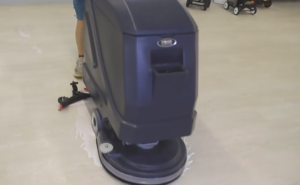
Optimal Scrubbers for Tile and Vinyl Surfaces
Tile and vinyl floors are common in corporate spaces, but cleaning them requires precision. Choosing the right floor cleaning solutions for tiles ensures durability and shine without damage. Versatile scrubbers with adjustable settings make all the difference. Facility managers need machines that handle diverse textures effectively.
Tile and Vinyl Floor Characteristics: Grout Lines and Textures
Tile floors often have grout lines that trap dirt, requiring targeted cleaning. Vinyl surfaces, while smoother, can scratch if mishandled. A floor type compatibility scrubber addresses these challenges by adapting to unique surface needs. Understanding floor properties is key to selecting the right equipment.
Versatile scrubbers with adjustable pressure ensure effective cleaning of tile and vinyl without damaging grout or surfaces.
Grout lines need scrubbers with enough power to clean without eroding sealant. Vinyl demands gentle handling to maintain its finish. Proper machine selection prevents costly repairs and keeps floors pristine.
Key Scrubber Features: Adjustable Pressure and Pad Types
The best machine for tile floors offers adjustable pressure to tackle tough grout stains while protecting delicate vinyl. Non-abrasive pads, like soft nylon or microfiber, prevent scratches and ensure thorough cleaning. Low water flow settings also minimize residue on both surfaces. These features deliver consistent results across varied flooring.
Modern scrubbers include variable speed controls for flexibility. Interchangeable pads allow quick switches between tile and vinyl cleaning. These options make machines ideal for high-traffic corporate environments.
Solutions for Tile and Vinyl Cleaning
CE-certified scrubbers are designed for tile and vinyl, offering customizable settings for optimal performance. These machines come with surface guide booklets, answering questions like what is the best machine for tile floors? They simplify equipment selection for facility managers. Such tools ensure floors stay spotless in professional settings.
These scrubbers feature ergonomic designs, reducing operator fatigue during long shifts. Their durable construction ensures longevity, even with frequent use. This reliability supports corporate facilities aiming for a polished look.
Balancing Efficiency and Surface Protection
Efficiency matters, but surface protection is non-negotiable. Using the wrong scrubber can wear down grout or scuff vinyl, leading to pricey fixes. “Keep it chill” by choosing machines with precise controls to balance speed and care. Regular maintenance ensures consistent performance without compromising floor quality.
Facility managers should prioritize pH-neutral cleaning solutions to protect finishes. Routine pad replacement prevents abrasive damage. These practices extend both floor and machine lifespan.
Scrubber Compatibility for Tile and Vinyl
| Floor Type | Scrubber Type | Pad Type | Pressure Range (PSI) | Maintenance Notes |
|---|---|---|---|---|
| Ceramic Tile | Medium-Duty | Soft Nylon | 30-50 | Inspect grout compatibility |
| Porcelain Tile | Adjustable Scrubber | Microfiber | 25-45 | Use low water flow |
| Vinyl Plank | Light-Duty | Soft Poly | 20-40 | pH-neutral solutions only |
| Vinyl Sheet | Compact Scrubber | Microfiber | 15-35 | Weekly pad cleaning |
| Glazed Tile | Polishing Scrubber | Polishing Pad | 20-30 | Avoid abrasive pads |

Heavy-Duty Scrubbers for Concrete Surfaces
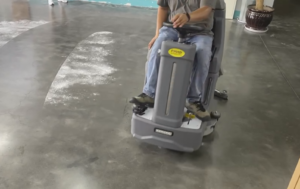
Concrete floors in industrial settings demand tough cleaning solutions. Cleaning machines for concrete must handle stubborn stains and heavy wear while maintaining efficiency. Selecting the right scrubber ensures durability and cleanliness in demanding environments. Facility managers rely on robust equipment to keep operations running smoothly.
Concrete Floor Challenges: Tough Stains and Durability Needs
Concrete floors face harsh conditions, like oil spills and tire marks. These surfaces are durable but porous, trapping dirt deep within. A floor type compatibility scrubber tackles these challenges with high-pressure cleaning. Proper equipment prevents buildup and extends floor life.
Heavy-duty scrubbers with high-pressure settings effectively remove tough stains from concrete while preserving its durability.
Industrial environments, like warehouses, need machines that can handle large areas. Without the right tools, cleaning becomes time-consuming and costly. Matching scrubbers to concrete ensures consistent results.
Features of Heavy-Duty Scrubbers: Coarse Brushes and High Pressure
The best machines for concrete feature coarse poly brushes to scrub deep into porous surfaces. High-pressure settings, often exceeding 50 PSI, remove embedded grime. Large water tanks support extended cleaning sessions. These features make scrubbers ideal for industrial demands.
Advanced models offer adjustable controls for varying stain severity. Durable construction ensures reliability under heavy use. This makes them perfect for factories and distribution centers.
Industrial-Grade Scrubber Options
CE-certified heavy-duty scrubbers are designed for industrial concrete floors. These machines include surface guide booklets, answering how to match floor cleaning machines with floor types? They simplify equipment selection for facility managers. Such tools ensure optimal performance in tough settings.
Ride-on models cover large areas quickly, boosting productivity. Built-in filtration systems maintain water quality, reducing waste. These options suit high-traffic industrial facilities.
Maintenance Strategies for Long-Term Performance
Regular maintenance keeps scrubbers performing at their best. Clean coarse brushes weekly to prevent clogging and maintain effectiveness. Inspect pressure systems to ensure consistent output—nobody wants a machine that’s “slacking off”. Routine checks extend equipment lifespan.
Use industrial-grade detergents for tough stains, avoiding harsh chemicals that damage components. Store machines in dry areas to prevent corrosion. These steps ensure reliable, long-term performance.
Heavy-Duty Scrubber Performance for Concrete
| Model Type | Pressure (PSI) | Brush Type | Cleaning Area (Sq Ft/Hr) | Maintenance Notes |
|---|---|---|---|---|
| Ride-On Scrubber | 60 | Coarse Poly | 40,000 | Monthly motor check |
| Walk-Behind Scrubber | 55 | Hard Nylon | 25,000 | Weekly brush cleaning |
| Industrial Scrubber | 65 | Coarse Poly | 35,000 | Check water filters |
| High-Pressure Scrubber | 70 | Hard Poly | 30,000 | Bi-weekly seal inspection |
| Heavy-Duty Compact | 50 | Nylon-Poly Mix | 20,000 | Use industrial detergents |

Comparing Scrubber Features for Multi-Surface Cleaning
Facility managers overseeing diverse flooring need versatile commercial floor scrubbers. A floor type compatibility scrubber adapts to hardwood, tile, vinyl, and concrete, ensuring spotless results. Selecting the right machine saves time and protects surfaces. This comparison highlights key features for multi-surface cleaning success.
Key Features for Multi-Surface Scrubbers: Variable Water Flow and Brush Pressure
Effective surface cleaning technologies include variable water flow to suit different floors. For example, hardwood needs low moisture, while concrete handles higher volumes. Adjustable brush pressure prevents scratches on delicate surfaces like vinyl while tackling tough stains on tile. These features ensure flexibility across environments.
Versatile scrubbers with adjustable water flow and brush pressure deliver optimal cleaning for multiple floor types without damage.
Machines with interchangeable pads enhance adaptability. Digital controls allow precise adjustments, improving efficiency. These cleaning machines compatible with different flooring streamline operations in mixed-surface settings.
Surface-Focused Comparison Table: Hardwood, Tile, Vinyl, and Concrete
Comparing scrubber performance across floor types helps managers choose wisely. Hardwood requires soft brushes; concrete needs coarse ones. A floor type compatibility scrubber balances these needs. The table below details key metrics for informed decisions.
Benefits of Adjustable Scrubbers
CE-certified scrubbers with customizable settings excel in multi-surface environments. They come with surface compatibility guides, simplifying equipment selection. These machines reduce training time and boost cleaning consistency. Their durability suits high-traffic areas like corporate lobbies.
Comprehensive maintenance support ensures long-term reliability. Facility managers benefit from reduced downtime and repair costs. Adjustable scrubbers are “the real deal” for versatile, cost-effective cleaning.
Procurement Tips: Balancing Cost, Features, and Maintenance
When selecting commercial floor scrubbers, balance upfront costs with long-term savings. Prioritize machines with adjustable settings for flexibility across floors. Check for included maintenance guides to ensure upkeep is manageable. Investing in quality reduces replacement expenses.
Look for CE-certified models with clear surface compatibility instructions. Evaluate water and energy efficiency to cut operational costs. These steps ensure smart procurement decisions.
Multi-Surface Scrubber Performance Comparison
| Floor Type | Scrubber Feature | Water Flow (Gal/Hr) | Brush Pressure (PSI) | Maintenance Notes |
|---|---|---|---|---|
| Hardwood | Soft Brush, Low Flow | 0.3 | 15-25 | Use pH-neutral solutions |
| Tile | Medium Brush, Adjustable | 0.8 | 25-45 | Check grout compatibility |
| Vinyl | Soft Pad, Low Pressure | 0.5 | 20-35 | Weekly pad cleaning |
| Concrete | Coarse Brush, High Pressure | 1.2 | 50-70 | Monthly motor check |
| Marble | Polishing Pad, Low Flow | 0.4 | 20-30 | Avoid abrasive pads |
Conclusion
Whether it’s hardwood, tile, vinyl, or concrete, a floor type compatibility scrubber ensures every surface gets the care it needs without damage. I’ve seen how adjustable settings and CE-certified reliability make all the difference in high-stakes settings like hotels or warehouses.
Choosing the right scrubber isn’t just a one-time decision—it’s an investment in long-term efficiency and quality. If you’re aiming to keep your floors “on point”, start by matching your equipment to your surfaces. It’s the smartest way to achieve spotless results every time.

