 Skip to content

Introduction
Choosing the right floor scrubber can make or break your cleaning operations. Facility managers face tough decisions: prioritize cost, efficiency, or maneuverability? With walk-behind vs ride-on scrubbers, the wrong choice risks wasted budgets or subpar cleaning in factories, malls, or logistics hubs.
At Pohir Group, we’ve seen how the right scrubber transforms efficiency. This guide compares walk-behind vs ride-on scrubbers, breaking down costs, performance, and training needs to help you select the best fit for your facility’s unique demands.
Key Differences Between Walk-Behind and Ride-On Scrubbers
Choosing between a walk-behind and a ride-on scrubber can make or break your cleaning game plan. Both are powerful tools in the floor scrubber comparison, but they serve different needs based on size, speed, and cost. Let’s break down the walk-behind vs ride-on scrubber debate to help you pick the right one for your facility.
Overview of Walk-Behind Scrubbers: Design and Functionality
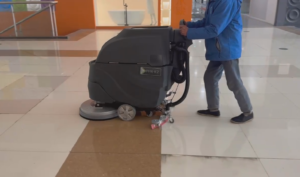
Walk-behind scrubbers are compact, user-friendly machines designed for smaller spaces. You push them like a lawnmower, making them ideal for tight corners and crowded areas like retail stores or offices. Their lightweight design ensures easy storage, but they require more physical effort, especially for long shifts.
These scrubbers shine in precision cleaning, with models like CE-certified walk-behind units offering reliable performance. They’re often budget-friendly, but their smaller cleaning path means longer cleaning times for big spaces. Training operators to use them efficiently can seriously “level up” your cleaning results.
Overview of Ride-On Scrubbers: Structure and Capabilities
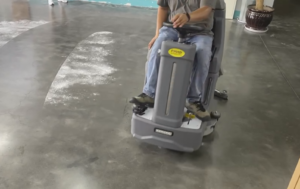
Ride-on scrubbers are the heavy hitters of the types of floor scrubbers. Built for large areas like warehouses or airports, these machines let operators sit and steer, covering wide cleaning paths quickly. Their robust design, like CE-certified ride-on models, ensures durability and high efficiency for demanding tasks.
While they’re faster, ride-on scrubbers need more space to maneuver and come with a higher price tag. Proper training is key to maximizing their potential, as incorrect use can lead to missed spots or inefficiencies.
“Walk-behind scrubbers are best for small, tight spaces, while ride-on scrubbers excel in large, open areas, making your choice depend on facility size and budget.”
Comparative Table: Size, Speed, and Cost Highlights
| Feature | Walk-Behind Scrubber | Ride-On Scrubber | Industry Average | Measurement Notes |
|---|---|---|---|---|
| Cleaning Path (inches) | 20 | 32 | 26 | Wider paths cover more ground faster. |
| Speed (mph) | 2.5 | 4.0 | 3.2 | Higher speeds reduce cleaning time. |
| Cost (USD) | 5,000 | 15,000 | 10,000 | Initial investment vs. long-term savings. |
| Tank Capacity (gallons) | 10 | 30 | 20 | Larger tanks mean fewer refills. |
| Training Time (hours) | 2 | 4 | 3 | Proper training boosts efficiency. |
Common Applications in Commercial Settings
Walk-behind scrubbers are perfect for schools, clinics, or small stores where space is tight. Ride-on scrubbers dominate in massive spaces like malls or factories, where speed is critical. Asking which is better walk-behind or ride-on floor scrubber? depends on your facility’s size and budget constraints.
Both walk-behind vs ride-on scrubber options benefit from proper operator training to ensure top performance. CE-certified models, like those from trusted manufacturers, offer tailored solutions for diverse needs. Choose wisely to keep your floors spotless and your operations smooth.
Efficiency and Performance Metrics
When deciding how to choose a floor scrubber for business, efficiency and performance are key. The walk-behind vs ride-on scrubber comparison hinges on facility size, cleaning speed, and operator skill. Let’s dive into the metrics that matter most for smart operational choices.
Cleaning Speed: Ride-On Scrubbers for Large Areas
Ride-on scrubbers are the best floor scrubber for large areas, cleaning up to 100,000 square feet per hour. Their wide cleaning paths and high speeds make them perfect for warehouses or malls. CE-certified ride-on models deliver consistent cleaning efficiency, but they need ample space to shine.
These machines cut cleaning time significantly compared to manual methods. However, their size can limit maneuverability in tight spots. Proper training ensures operators maximize speed without sacrificing quality.
Precision Cleaning: Walk-Behind Scrubbers for Smaller Spaces
Walk-behind scrubbers excel in spaces under 20,000 square feet, like offices or clinics. Their compact design allows precise cleaning in narrow aisles or crowded areas. While slower than ride-ons, they offer unmatched control for detailed work.
CE-certified walk-behind models balance efficiency with ease of use. Operators can achieve top results with minimal effort, but training is crucial to avoid fatigue and maintain performance over long shifts.
“Ride-on scrubbers clean large areas fast, while walk-behind scrubbers offer precision for smaller spaces, making facility size a key factor in your choice.”
Battery Life and Runtime Considerations
Battery life impacts both scrubber types. Ride-on scrubbers typically run for 4-6 hours, ideal for large-scale tasks. Walk-behind models last 2-4 hours, sufficient for smaller jobs but requiring recharges for extended use.
Choosing a model with efficient battery management, like CE-certified options, extends runtime. Planning cleaning schedules around battery life prevents downtime and keeps operations “on point.”
Impact of Training on Performance Optimization
Training is often overlooked but critical for maximizing cleaning efficiency. Well-trained operators use scrubbers more effectively, reducing errors and wear. Comprehensive support, like that offered by leading manufacturers, ensures long-term equipment performance.
Performance Metrics Comparison
| Metric | Walk-Behind | Ride-On | Industry Benchmark | Notes |
|---|---|---|---|---|
| Cleaning Speed (sq. ft./hr) | 15,000 | 100,000 | 50,000 | Speed varies by facility size. |
| Battery Life (hours) | 3 | 5 | 4 | Longer runtime reduces downtime. |
| Training Time (hours) | 2 | 4 | 3 | Training boosts efficiency. |
| Maneuverability (scale 1-10) | 8 | 4 | 6 | Higher scores for tight spaces. |
| Maintenance Cost (USD/year) | 500 | 1,200 | 800 | Regular maintenance extends life. |
Cost, Maintenance, and Long-Term Value
Selecting the right scrubber involves weighing costs, maintenance, and long-term savings. The walk-behind vs ride-on scrubber comparison highlights key factors for managing commercial cleaning effectively. Let’s explore how these machines stack up for smart procurement decisions.
Upfront Costs: Walk-Behind vs. Ride-On
Walk-behind scrubbers range from $3,000 to $10,000, making them a budget-friendly choice for smaller facilities. Ride-on scrubbers, priced between $10,000 and $30,000, suit larger operations with higher cleaning demands. CE-certified models, like walk-behind units, offer durability at a lower upfront cost, ideal for cost-conscious buyers.
Maintenance Costs: Simpler vs. Complex Designs
Walk-behind scrubbers have simpler designs, leading to lower maintenance costs—around $500 annually. Ride-on scrubbers, with complex components, average $1,200 per year due to specialized parts. Regular maintenance, supported by manufacturers, ensures cost-effective cleaning equipment that lasts longer with proper care.
Labor Savings: Ride-On Scrubbers in Large-Scale Operations
Ride-on scrubbers shine in large facilities, cleaning up to 100,000 square feet per hour, reducing labor time significantly. This efficiency translates to cost benefits of ride-on floor scrubbers, often saving 30-50% on labor costs compared to walk-behind models. Training operators maximizes these savings, ensuring top performance.
“Walk-behind scrubbers save on upfront and maintenance costs, while ride-on scrubbers cut labor expenses in large spaces, making your choice hinge on facility size.”
Battery Type and Replacement Costs
Walk-behind scrubbers typically use lead-acid batteries, costing $200-$500 to replace every 2-3 years. Ride-on models often use lithium-ion batteries, priced at $1,000-$2,000 but lasting up to 5 years. Choosing energy-efficient batteries, like those in CE-certified scrubbers, balances cost and performance for long-term value.
Training operators to manage battery usage can extend lifespan, reducing replacement frequency. This often-overlooked step adds serious “bang for your buck” to your investment.
Cost and Maintenance Comparison
| Metric | Walk-Behind | Ride-On | Industry Average | Notes |
|---|---|---|---|---|
| Upfront Cost (USD) | 3,000-10,000 | 10,000-30,000 | 15,000 | Higher costs for larger capacity. |
| Maintenance Cost (USD/year) | 500 | 1,200 | 800 | Simpler designs lower costs. |
| Labor Savings (%) | 10% | 40% | 25% | Ride-ons excel in large areas. |
| Battery Replacement (USD) | 200-500 | 1,000-2,000 | 1,000 | Lithium-ion lasts longer. |
| Battery Lifespan (years) | 2-3 | 4-5 | 3.5 | Proper use extends life. |
Choosing the Right Scrubber for Your Facility
Picking the perfect scrubber for your facility is all about matching the machine to your needs. The walk-behind vs ride-on scrubber debate boils down to size, comfort, and logistics. Here’s a checklist to guide you through how to choose a floor scrubber for business with confidence.
Assessing Facility Size and Layout: Open Spaces vs. Narrow Aisles
Your facility’s layout is a game-changer. Ride-on scrubbers dominate open spaces like warehouses, cleaning up to 100,000 square feet per hour. For narrow aisles in stores or offices, walk-behind scrubbers, like CE-certified models, offer better maneuverability for spaces under 20,000 square feet.
Operator Comfort: Reducing Fatigue with Ride-On Models
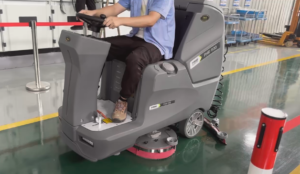
Ride-on scrubbers, such as the CE-certified PHR-1280, let operators sit, reducing fatigue during long shifts in large facilities. Walk-behind models require more physical effort, which can wear operators out. Training on proper use boosts comfort and cleaning efficiency, making every shift more productive.
“Choose ride-on scrubbers for large, open areas to save time and reduce operator fatigue, or walk-behind scrubbers for tight spaces needing precision.”
Shipping and Storage: Compact Walk-Behind vs. Heavy Ride-On Models
Walk-behind scrubbers, like the PHR-X2, are compact, easy to ship, and fit in small storage spaces. Ride-on scrubbers are heavier, requiring more logistics planning and larger storage areas. Manufacturers offering shipping support can simplify procurement, ensuring your floor scrubber comparison includes practical considerations.
Decision-Making Checklist: Key Questions to Ask
Ask these questions to nail your choice: What’s your facility’s square footage? Are aisles narrow or open? How long are cleaning shifts? What’s your budget for upfront and maintenance costs? Training operators is key to maximizing the walk-behind vs ride-on scrubber investment, a step often overlooked but critical for success.

Conclusion
After years of helping facilities optimize their cleaning, I’ve learned that picking the right floor scrubber is about matching the machine to your space and needs. Whether it’s the precision of a walk-behind or the speed of a ride-on, the choice comes down to your facility’s size, budget, and operator comfort.
From my experience, a well-chosen scrubber doesn’t just clean floors—it boosts efficiency, cuts costs, and keeps operations smooth. Investing in quality equipment, like CE-certified models, and training your team properly is the key to long-term success.
Think about your facility’s unique demands—space, shifts, and storage. Choosing the right scrubber is a “game-changer” for keeping your floors spotless and your team productive.
FAQ
-
Q1: What are the main differences between walk-behind and ride-on scrubbers?
A1: Walk-behind scrubbers are compact and offer excellent maneuverability, making them ideal for smaller spaces. In contrast, ride-on scrubbers are designed for larger areas, enhancing efficiency and comfort during prolonged use.
-
Q2: Which scrubber type is better for large commercial spaces?
A2: Ride-on scrubbers are generally better for large commercial spaces due to their fast cleaning capabilities and reduced labor costs, allowing for quicker coverage of expansive areas.
-
Q3: Are walk-behind scrubbers more cost-effective?
A3: Yes, walk-behind scrubbers typically have a lower upfront cost and are cost-effective for facilities with limited budgets, especially where space is tight and maneuverability is essential.
-
Q4: What factors should be considered when choosing between scrubber types?
A4: Consider the size of the area to be cleaned, the type of flooring, budget constraints, and the desired level of operator comfort when deciding between walk-behind and ride-on scrubbers.
-
Q5: Can walk-behind scrubbers handle delicate floors?
A5: Yes, walk-behind scrubbers are often better suited for cleaning delicate floors due to their weight and maneuverability, which minimizes potential damage.
-
Q6: How do the cleaning efficiencies of both scrubber types compare?
A6: Ride-on scrubbers are generally more efficient for large areas due to their speed and larger cleaning paths, while walk-behind models may be more efficient in tight spaces due to their flexibility.
-
Q7: What are the maintenance costs associated with each scrubber type?
A7: Maintenance costs can vary; walk-behind scrubbers typically have lower ongoing costs, while ride-on scrubbers might incur higher maintenance due to more complex systems and components.
-
Q8: Which type of scrubber is recommended for narrow aisles?
A8: Walk-behind scrubbers are recommended for narrow aisles as they can easily navigate through tight spaces without the limitations posed by larger ride-on models.

