 Skip to content
Introduction
Choosing between a scrubber and a sweeper can feel like a high-stakes decision for facility managers and small business owners. Pick the wrong one, and you’re stuck with inefficiencies, soaring maintenance costs, or a machine that doesn’t suit your space.
Our scrubber vs sweeper comparison breaks down their differences, from cleaning methods to costs, helping you match the right equipment to your business needs. This guide offers practical insights to ensure cleaner floors and smarter investments.
Understanding Floor Scrubbers and Sweepers
Floor scrubbers and sweepers are essential tools for keeping commercial spaces spotless. Whether you’re a facility manager or a small business owner, choosing the right cleaning equipment can make a big difference. This chapter dives into the scrubber vs sweeper comparison, helping you decide which is better for your business, a sweeper or a scrubber.
What is a Floor Scrubber?
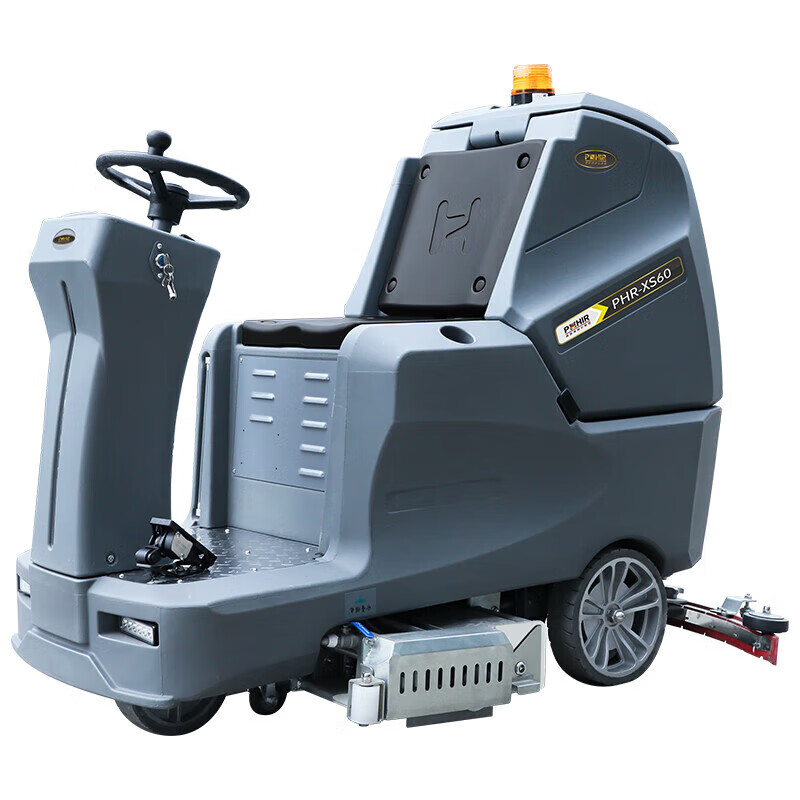
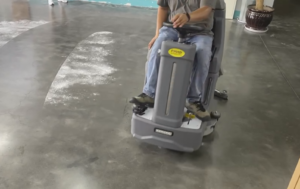
Floor scrubbers are designed for wet cleaning, tackling tough stains and grime. They use water, detergent, and rotating brushes to scrub surfaces, leaving floors shiny and dry. Key components include a solution tank, recovery tank, and squeegee system, making them ideal for places like hospitals or restaurants.
Wet Cleaning Mechanism and Components
Scrubbers work by spraying cleaning solution, agitating dirt with brushes, and vacuuming dirty water into a recovery tank. Advanced models offer adjustable brush pressure and eco-friendly settings to save water. These features ensure a deep clean, especially on tiled or concrete floors.
What is a Floor Sweeper?
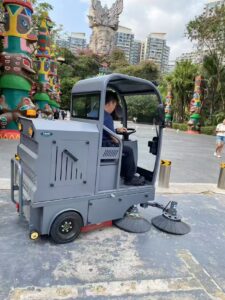
Floor sweepers focus on dry debris collection, like dust, leaves, or small particles. They use rotating brooms to sweep debris into a hopper, perfect for warehouses or parking lots. Their simple design makes them “a cinch” to operate and maintain.
Dry Debris Collection and Features
Sweepers rely on mechanical brooms and powerful suction to collect debris efficiently. Many models include dust filters to keep air clean and adjustable sweeping paths for tight spaces. These machines shine in large, open areas with minimal liquid spills.
Key Industries Using Scrubbers and Sweepers
Industries like retail, manufacturing, and healthcare rely on the scrubber vs sweeper comparison to meet cleaning needs. Scrubbers suit food service or medical facilities requiring sanitized floors, while sweepers are popular in logistics for handling dry debris. Choosing the right machine depends on your industry’s demands.
Overview of Combination Scrubber-Sweeper Machines
Combination machines blend scrubbing and sweeping for versatile cleaning. These CE-certified units, like those from leading manufacturers, handle both wet and dry tasks, saving time and space. They’re a smart pick for businesses with diverse cleaning needs but limited budgets.
Scrubbers excel at wet cleaning for polished floors, while sweepers tackle dry debris in large spaces, making the choice depend on your business’s specific needs.
Scrubber vs Sweeper Performance Table
| Feature | Floor Scrubber | Floor Sweeper | Combination Machine | Industry Benchmark |
|---|---|---|---|---|
| Cleaning Type | Wet (solution-based) | Dry (debris collection) | Wet and Dry | Task-specific |
| Typical Use Case | Hospitals, Kitchens | Warehouses, Lots | Retail, Mixed Spaces | Varied |
| Run Time (hours) | 3-4 | 4-6 | 3-5 | 4 |
| Maintenance Frequency | Weekly | Bi-weekly | Weekly | Weekly |
| Space Needed (sq ft) | 50 | 40 | 60 | 50 |
Note: Run time is based on battery-powered models. Maintenance frequency assumes daily use. Space needed reflects storage requirements.
Key Differences Between Scrubbers and Sweepers
Choosing between scrubbers and sweepers can feel like picking the right tool for a job. This chapter breaks down the scrubber vs sweeper comparison, focusing on their cleaning mechanisms, applications, and efficiency. Understanding these differences helps businesses find the best floor scrubber for business needs.
Cleaning Mechanisms: Wet Scrubbing vs. Dry Sweeping
Scrubbers use water and detergent with rotating brushes to tackle sticky messes, leaving floors sparkling. Sweepers, on the other hand, rely on brooms and suction to collect dry debris like dust or small particles. This core difference makes scrubbers ideal for deep cleaning and sweepers perfect for quick surface maintenance.
Surface Suitability: Sealed vs. Unsealed Floors
Scrubbers shine on sealed surfaces like tiled or polished concrete, where wet cleaning won’t cause damage. Sweepers handle unsealed floors, such as rough concrete in warehouses, without spreading moisture. Matching the machine to your floor type ensures efficient floor cleaning and long-term durability.
Efficiency and Labor Requirements: Walk-Behind vs. Ride-On Models
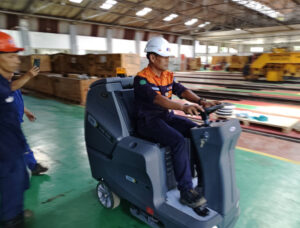
Walk-behind scrubbers, like compact hand-push models, suit small spaces but require more physical effort. Ride-on sweepers, designed for large areas, boost productivity by covering ground faster with less labor. For big facilities, a ride-on model can be a “game-saver” for time and energy.
Comparison Table of Features and Benefits
| Feature | Scrubber | Sweeper | Ride-On Model | Industry Standard |
|---|---|---|---|---|
| Cleaning Area (sq ft/hr) | 15,000 | 25,000 | 40,000 | 30,000 |
| Labor Hours (per 10,000 sq ft) | 2 | 1.5 | 1 | 1.5 |
| Water Usage (gal/hr) | 5 | 0 | 3 | 2 |
| Suitable Floor Type | Sealed | Unsealed | Both | Both |
| Noise Level (dB) | 70 | 65 | 68 | 67 |
Note: Cleaning area based on average machine specs. Labor hours reflect operator effort. Noise levels measured at operator ear level.
Scrubbers are best for sealed floors needing deep cleaning, while sweepers excel on unsealed surfaces for dry debris, with ride-on models boosting efficiency for large spaces.
Considering the pros and cons of scrubbers and sweepers, compact scrubbers work well for tight spaces, while ride-on sweepers cover vast areas quickly. These machines cater to diverse business needs, balancing budget and space constraints effectively.

Matching Equipment to Your Business Needs
Selecting the right cleaning equipment can feel overwhelming, but it’s all about matching the machine to your business’s unique needs. This chapter guides you through the scrubber vs sweeper comparison, focusing on facility size, surface type, and cleaning frequency. Let’s explore how to choose a floor cleaner for warehouses or smaller spaces effectively.
Assessing Facility Size and Storage Constraints
Facility size dictates whether a compact scrubber or a robust sweeper is best. Small businesses with tight storage spaces benefit from walk-behind models, which are easy to store. Larger facilities, like warehouses, need ride-on sweepers to cover vast areas quickly, ensuring cost-effective cleaning solutions.
Surface Types: Tile, Concrete, Asphalt, and More
Surface type is key in equipment selection. Scrubbers excel on sealed surfaces like tile or polished concrete, removing grime with wet cleaning. Sweepers are ideal for unsealed surfaces, such as asphalt or rough concrete, handling loose debris without water damage risks.
Cleaning Frequency and Dirt Type: Grime vs. Loose Debris
How often you clean and the type of dirt matter. High-traffic areas with sticky grime need scrubbers for deep cleaning, while spaces with dust or small particles suit sweepers. For mixed needs, combination machines offer a “two-in-one” solution, tackling both wet and dry messes.
Decision-Making Checklist for Equipment Selection
Consider these factors: facility size, surface type, dirt type, cleaning frequency, and budget. CE-certified machines ensure safety and reliability, with fast spare part delivery minimizing downtime. A cleaning equipment comparison helps balance cost and performance for your business.
Choosing between a scrubber or sweeper depends on your facility’s size, surface type, and cleaning needs, ensuring efficient and cost-effective results.
Equipment Selection Guide
| Criteria | Compact Scrubber | Ride-On Sweeper | Combination Machine | Industry Recommendation |
|---|---|---|---|---|
| Facility Size (sq ft) | Up to 10,000 | 50,000+ | 20,000-50,000 | Match to size |
| Surface Type | Tile, Concrete | Asphalt, Unsealed | Both | Specific to floor |
| Cleaning Frequency | Daily | Weekly | Daily/Weekly | Task-driven |
| Dirt Type | Grime, Spills | Dust, Debris | Both | Match to dirt |
| Cost Efficiency | High for small spaces | High for large areas | Moderate | Budget-aligned |
Note: Facility size based on average coverage. Cost efficiency reflects initial investment vs. labor savings. Cleaning frequency assumes typical commercial use.
Cost and Maintenance Considerations
When choosing between scrubbers and sweepers, cost and maintenance are key factors. This chapter explores the scrubber vs sweeper comparison, covering upfront costs, maintenance of scrubbers and sweepers, and long-term value. Let’s break down the pros and cons of scrubbers and sweepers to find the best fit for your budget.
Upfront Costs: Scrubbers vs. Sweepers
Scrubbers typically cost more upfront due to their complex wet-cleaning systems, ranging from $5,000 for walk-behind models to $20,000 for ride-on units. Sweepers, with simpler dry-cleaning designs, start at $3,000 and go up to $15,000 for larger models. Compact scrubbers suit small businesses, while sweepers offer efficient floor cleaning for warehouses.
Maintenance Requirements: Tank Cleaning, Filter Replacements, and Brushes
Scrubbers require regular tank cleaning to prevent clogs, plus brush and squeegee replacements every 6-12 months. Sweepers need filter changes and broom adjustments, typically every 3-6 months, depending on use. Both benefit from routine checks to keep them running “smooth as butter”.
Long-Term Value: Durability and Operational Efficiency
Scrubbers, with durable components, last 5-7 years with proper care, ideal for frequent wet cleaning. Sweepers, built for dry debris, often hit 7-10 years, especially in less intensive settings. CE-certified machines ensure reliability, maximizing operational uptime and value.
Tips for Minimizing Downtime with Spare Parts
A reliable spare parts supply chain is crucial to avoid costly downtime. Opt for manufacturers offering fast delivery of brushes, filters, and tanks. Regular maintenance schedules and operator training further reduce repair needs, keeping your equipment ready for action.
Scrubbers have higher upfront costs but excel in deep cleaning, while sweepers are cheaper and easier to maintain, offering long-term savings for dry environments.
Benefits of Combination Scrubber-Sweeper Machines
Combination scrubber-sweeper machines are game-changers for businesses with diverse cleaning needs. This chapter explores their advantages in the scrubber vs sweeper comparison, highlighting their versatility and efficiency. If you’re wondering which is better for my business, a sweeper or a scrubber?, combination machines might be the answer.
How Combination Machines Work: Sweeping and Scrubbing in One Pass
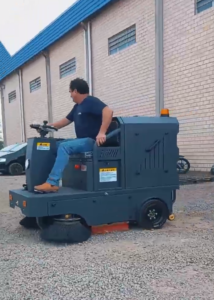
Combination machines sweep dry debris and scrub wet grime in a single pass, using integrated brooms, brushes, and water systems. They collect dust into a hopper while applying cleaning solution to tackle sticky messes. This dual action delivers cost-effective cleaning solutions for busy facilities.
Ideal Use Cases: Mixed Debris and Grime Environments
These machines shine in places like retail stores or manufacturing plants, where floors face both dry dust and wet spills. They handle varied surfaces, from tiled lobbies to concrete warehouse floors, with ease. This makes them the best floor scrubber for business with mixed cleaning challenges.
Cost and Space Efficiency of Dual-Function Machines
Combination machines save money by reducing the need for separate scrubbers and sweepers. They also take up less storage space, a “win-win” for small businesses with limited room. Their efficiency cuts labor time, boosting productivity without breaking the bank.
Pohir Group’s Combination Machine Offerings
Leading manufacturers offer CE-certified combination machines with adjustable settings for tailored cleaning. These units come with reliable spare part support to minimize downtime. They’re designed for businesses seeking flexibility without sacrificing performance, perfect for budget-conscious operations.
Combination scrubber-sweeper machines offer a versatile, space-saving solution, tackling both dry debris and wet grime in one pass for maximum efficiency.
Combination Machine Benefits
| Feature | Combination Machine | Scrubber Only | Sweeper Only | Industry Standard |
|---|---|---|---|---|
| Cleaning Speed (sq ft/hr) | 30,000 | 15,000 | 25,000 | 25,000 |
| Storage Space (sq ft) | 60 | 50 | 40 | 50 |
| Cost per Use (USD/hr) | 10 | 12 | 8 | 10 |
| Versatility (Dirt Types) | Wet and Dry | Wet Only | Dry Only | Task-Specific |
| Maintenance Cost (USD/yr) | 800 | 600 | 400 | 600 |
Note: Cleaning speed based on average machine specs. Cost per use includes labor and energy. Maintenance costs reflect annual upkeep.
Conclusion
After years of helping businesses choose between scrubbers and sweepers, I’ve learned that the right cleaning equipment can transform your operations. It’s not just about picking a machine—it’s about finding one that fits your facility’s unique needs, from floor type to cleaning frequency.
Whether you need a scrubber for deep-cleaning sealed floors, a sweeper for tackling dry debris, or a combination machine for versatility, the choice comes down to efficiency and long-term value. A well-chosen machine saves time, cuts costs, and keeps your space “spic and span”.
Take a moment to assess your business’s needs—consider your space, surfaces, and dirt types. The right equipment isn’t just a purchase; it’s an investment in smoother operations and a cleaner future. What’s the next step for your facility’s cleaning strategy?

