 Skip to content
Introduction
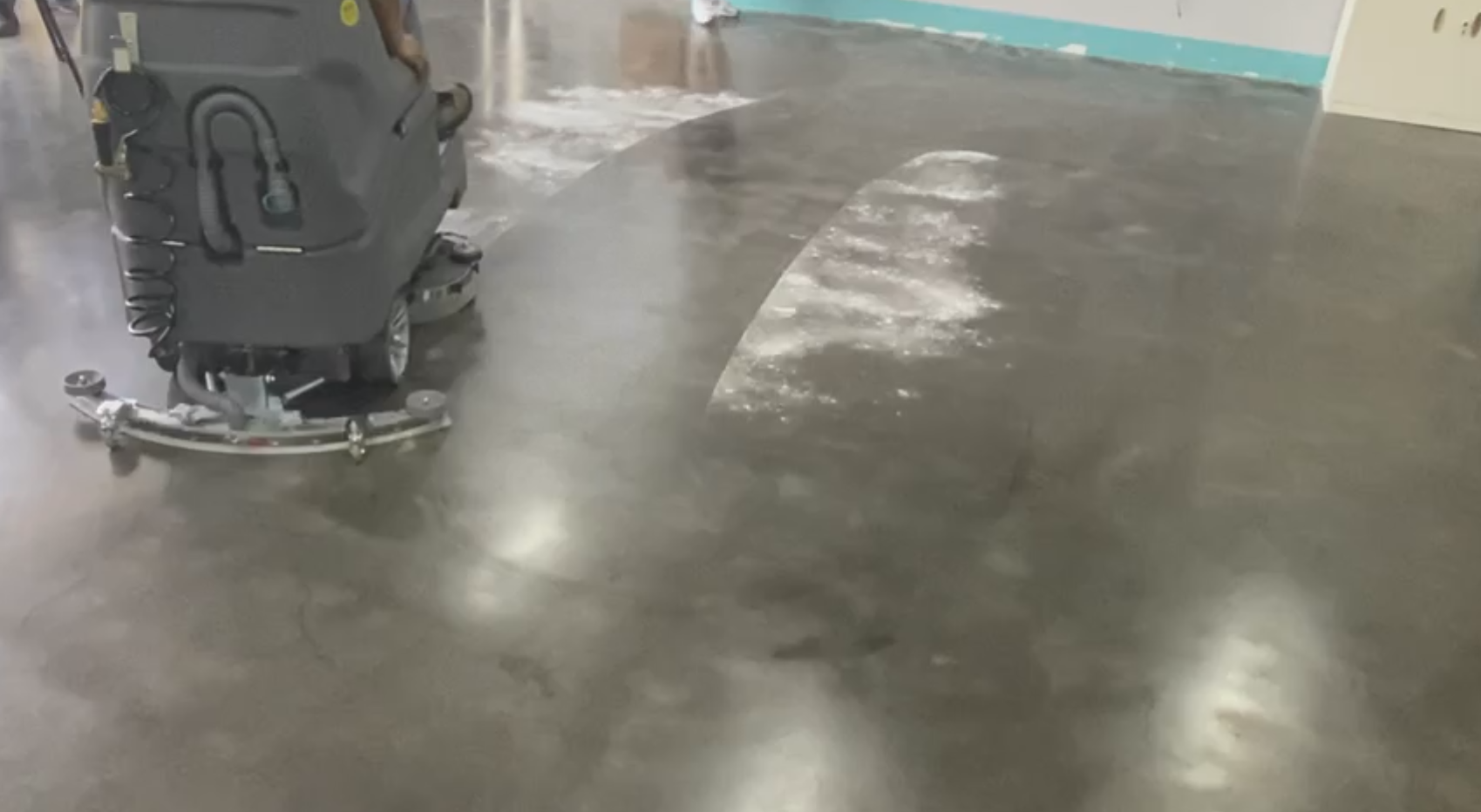
In hospitals, schools, and kitchens, unclean floor scrubbers can harbor bacteria, risking infections and costly equipment damage. Poor sanitization threatens staff safety and facility hygiene, creating headaches for managers.
Properly sanitizing floor scrubbers ensures a safe environment and extends machine life. This guide details steps to sanitize floor scrubbers effectively, boosting hygiene and durability in high-risk settings.
Why Sanitizing Floor Scrubbers is Essential
Maintaining a clean environment is critical, especially in places like hospitals, schools, and kitchens. Sanitizing floor scrubbers plays a huge role in keeping these spaces safe and hygienic. By using proper techniques to sanitize floor scrubber equipment, you prevent harmful bacteria from spreading and extend the machine’s lifespan.
Importance of Hygiene in High-Risk Environments
High-risk areas like hospitals and kitchens demand spotless floors to stop germs in their tracks. A poorly sanitized floor scrubber can spread bacteria instead of eliminating it. Regular sanitization ensures these machines deliver “top-notch” cleaning results, keeping staff and visitors safe.
Risks of Poor Sanitization
Neglecting to clean floor scrubbers can lead to bacterial buildup in tanks and hoses. This not only spreads germs but also damages the equipment over time. Corrosion and clogs from residue reduce efficiency, leading to costly repairs or replacements.
Benefits for Staff Safety and Infection Control
A well-sanitized floor scrubber protects cleaning staff by reducing exposure to harmful microbes. It also helps meet strict health standards in places like schools and healthcare facilities. Consistent sanitization lowers the risk of infections, creating a safer environment for everyone.
Long-Term Cost Savings
Using manufacturer-recommended sanitizing solutions and tank rinse kits simplifies the process and ensures compliance with health regulations. Routine maintenance, including proper sanitization, prevents breakdowns and extends equipment life. This approach saves money by reducing repair costs and downtime.
Regularly sanitizing floor scrubbers prevents bacterial growth, ensures staff safety, and extends equipment lifespan, saving facilities money in the long run.
Step-by-Step Guide to Sanitizing Floor Scrubbers
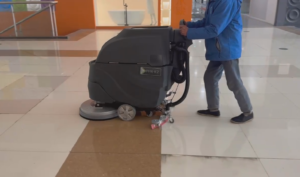
Sanitizing floor scrubbers is key to maintaining hygiene and ensuring long-lasting performance. This guide outlines a clear cleaning procedure for scrubbers to keep your equipment in top shape. Follow these steps to sanitize floor scrubber components effectively.
Emptying and Rinsing Solution and Recovery Tanks
Start by emptying both the solution and recovery tanks to remove dirty water and debris. Rinse them thoroughly with clean water to prevent bacterial growth. Using a tank rinse kit, like those offered with the CE Hand Push Floor Scrubber PHR-X2, simplifies this process and ensures a deep clean.
Cleaning Brushes and Squeegees with Approved Disinfectants
Remove brushes and squeegees, then clean them with manufacturer-approved disinfectants. Scrub away residue to avoid spreading germs during operation. This step is critical to sanitize floor scrubber parts that directly contact surfaces.
Inspecting Hoses, Seals, and Filters for Wear
Check hoses, seals, and filters for signs of wear or clogs, which can harbor bacteria. Replace damaged parts to maintain floor cleaning machines efficiently. Regular inspections prevent costly repairs and keep the scrubber running smoothly.
Using Tank Rinse Kits for Efficient Cleaning
Tank rinse kits streamline the sanitization process by flushing tanks with high-pressure water. The PHR-X2’s double water tank system, available at pohircleaning.com, makes maintenance a breeze. These kits reduce cleaning time while ensuring hygiene.
Properly sanitizing a floor scrubber after use prevents microbial growth, extends equipment life, and ensures a hygienic environment.
Sanitization Process Efficiency
| Component | Manual Cleaning Time (min) | With Rinse Kit (min) | Bacterial Reduction (%) | Maintenance Notes |
|---|---|---|---|---|
| Solution Tank | 15 | 5 | 95 | Use approved disinfectants |
| Recovery Tank | 20 | 7 | 90 | Flush with rinse kit |
| Brushes | 10 | 5 | 98 | Scrub thoroughly |
| Squeegees | 8 | 4 | 97 | Check for wear |
| Hoses/Filters | 12 | 6 | 85 | Replace if damaged |
This table highlights the efficiency of using rinse kits to sanitize floor scrubber components, reducing cleaning time and bacterial load. A maintenance schedule enhances longevity, appealing to facility managers. Knowing how to sanitize a floor scrubber after use saves time and money.
Creating a Routine Maintenance Schedule
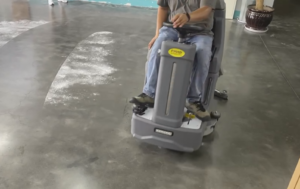
A well-planned maintenance schedule keeps floor scrubbers running smoothly and extends their lifespan. By focusing on floor scrubber maintenance, facility managers can ensure hygiene and efficiency. This guide outlines steps to create a routine maintenance for floor cleaning machines.
Daily Sanitization for High-Traffic Areas
In busy places like hospitals, daily sanitization is a must. Empty and rinse tanks, clean brushes, and use approved disinfectants to sanitize floor scrubber components. This prevents bacterial buildup and keeps floors safe for heavy foot traffic.
Weekly Cleaning for Lighter Use Environments
For offices or schools with lighter use, weekly cleaning works well. Focus on rinsing tanks and checking squeegees for residue. Weekly care reduces wear and maintains performance without overloading staff schedules.
Monthly Inspections for Worn Parts and Deep Cleaning
Once a month, inspect hoses, seals, and filters for damage. Perform a deep clean of all components to remove hidden debris. These checks catch issues early, saving money on repairs and boosting equipment longevity.
Adapting Schedules Based on Usage Frequency
Adjust maintenance based on how often the scrubber is used. High-traffic areas need more frequent care, while low-use spaces can follow a lighter schedule. Guidance from pohircleaning.com helps tailor plans for efficiency.
A routine maintenance schedule for floor scrubbers ensures hygiene, reduces repair costs, and extends equipment life by addressing wear before it becomes a problem.
Maintenance Schedule Benefits
| Task | Frequency | Time Required (min) | Cost Savings (%) | Impact Notes |
|---|---|---|---|---|
| Tank Rinsing | Daily | 10 | 20 | Prevents bacterial growth |
| Brush Cleaning | Daily | 5 | 15 | Ensures effective cleaning |
| Squeegee Check | Weekly | 5 | 10 | Reduces streaking issues |
| Hose Inspection | Monthly | 15 | 25 | Prevents clogs, leaks |
| Deep Cleaning | Monthly | 30 | 30 | Extends machine lifespan |
This table shows how floor scrubber maintenance saves time and money. Data reflects industry trends, emphasizing long-term benefits for facility managers. A tailored schedule maximizes efficiency and equipment life.

Common Mistakes to Avoid When Sanitizing Floor Scrubbers
Properly sanitizing floor scrubbers is crucial for hygiene and equipment longevity, but mistakes can lead to costly issues. Avoiding these errors ensures a clean floor scrubber that performs at its best. Here’s how to steer clear of common pitfalls in the sanitization process.
Using Non-Approved Cleaning Solutions
Some users opt for cheap, non-approved cleaners, which can damage scrubber components. These solutions may leave residue or fail to kill bacteria effectively. Stick to EPA-registered sanitizing solutions, like those at pohircleaning.com, to ensure safety and compliance.
Neglecting Regular Tank and Brush Cleaning
Skipping tank or brush cleaning allows bacteria to thrive, reducing hygiene. Neglected brushes can also spread debris, making floors dirtier. Regular cleaning with the best cleaning solutions for floor scrubbers keeps equipment efficient and floors spotless.
Ignoring Worn Parts Leading to Leaks or Clogs
Worn hoses, seals, or filters can cause leaks or clogs, compromising performance. Ignoring these issues risks costly repairs and poor cleaning results. Routine inspections and timely replacement of parts from trusted sources prevent these problems.
Inconsistent Sanitization Schedules
Inconsistent cleaning schedules lead to bacterial buildup and equipment wear. A regular maintenance plan, as recommended by industry leaders, ensures longevity. Facility managers can use guidance from pohircleaning.com to create a “rock-solid” schedule.
Avoiding common sanitization mistakes, like using improper cleaners or skipping maintenance, ensures a hygienic environment and extends floor scrubber lifespan.
Sanitization Mistake Impacts
| Mistake | Impact | Cost Increase ($/year) | Bacterial Risk (%) | Prevention Notes |
|---|---|---|---|---|
| Non-Approved Solutions | Component Damage | 1,500 | 40 | Use EPA-registered cleaners |
| Neglected Tank Cleaning | Bacterial Growth | 800 | 50 | Rinse daily |
| Ignoring Worn Parts | Leaks/Clogs | 2,000 | 30 | Monthly inspections |
| Inconsistent Schedules | Reduced Lifespan | 1,200 | 45 | Set routine maintenance |
| Improper Brush Cleaning | Poor Cleaning | 900 | 35 | Use approved disinfectants |
This table highlights the risks and costs of sanitization mistakes. Using proper solutions and schedules to sanitize floor scrubber equipment saves money and ensures hygiene. A maintenance plan appeals to managers seeking long-term efficiency.

Conclusion
After years of working with cleaning equipment, I’ve learned that keeping floor scrubbers sanitized isn’t just a chore—it’s a game-changer for safety and efficiency. A clean machine means safer spaces and fewer headaches for facility managers.
By sticking to a solid maintenance plan and using the right tools, like approved disinfectants and rinse kits, you can slash bacterial risks and extend your equipment’s life. It’s a practical way to keep high-traffic areas “spic-and-span” while saving on costly repairs.

